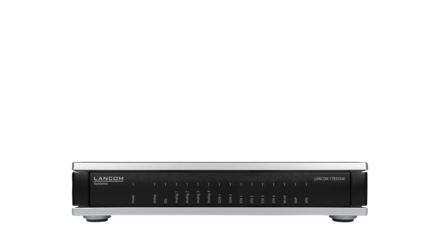
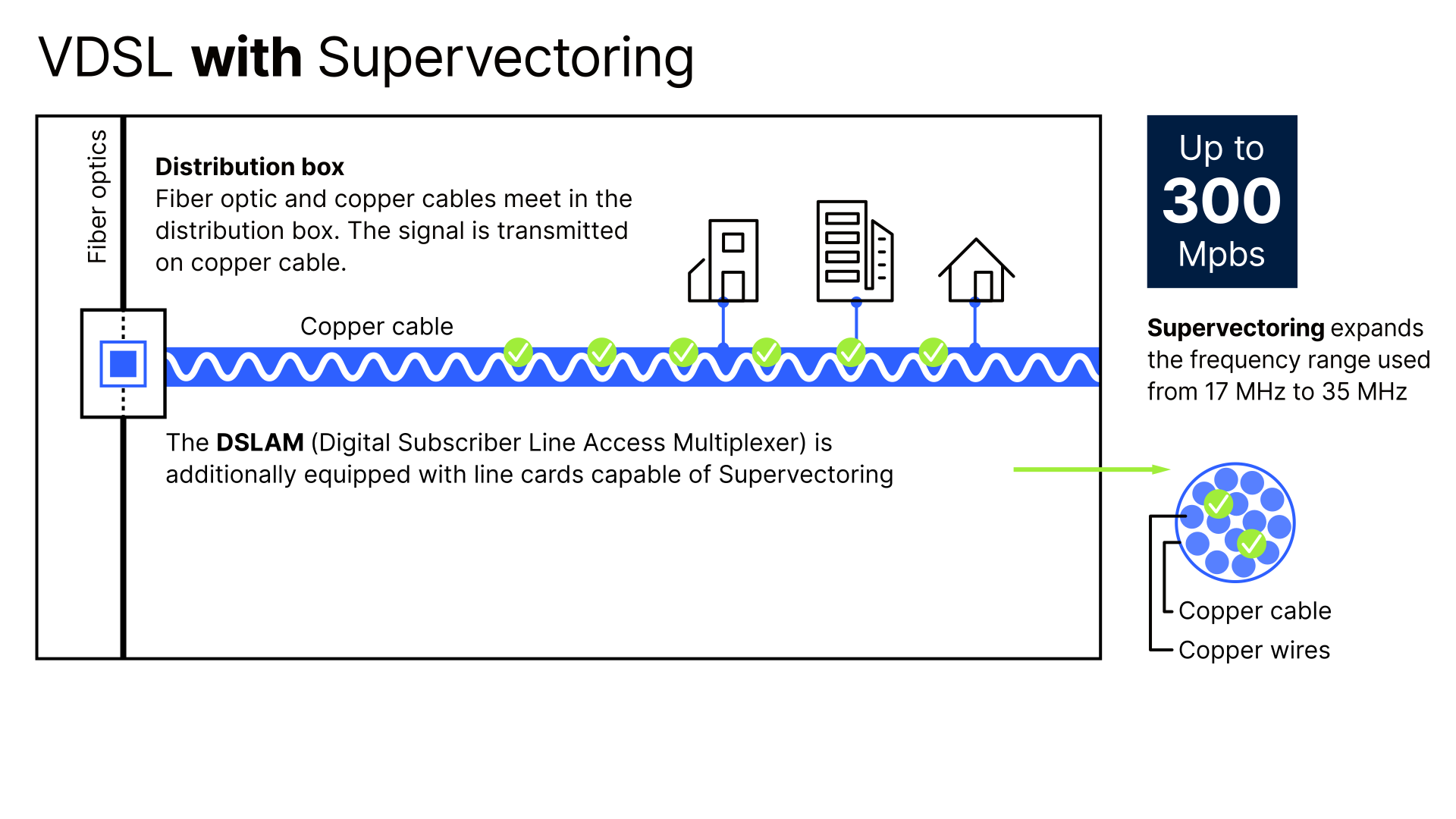
Compared to VDSL, the Supervectoring extension offers a significant increase in the possible data rate. With Supervectoring – also known as Vectoring+, Super Vectoring, or Supervectoring 35b – the transmission frequency on existing copper lines is significantly increased again after vectoring. In practice, Supervectoring connections offer bandwidths of up to 300 Mbit/s downstream with significantly improved latency and stability values compared to classic VDSL.
How does Supervectoring work?
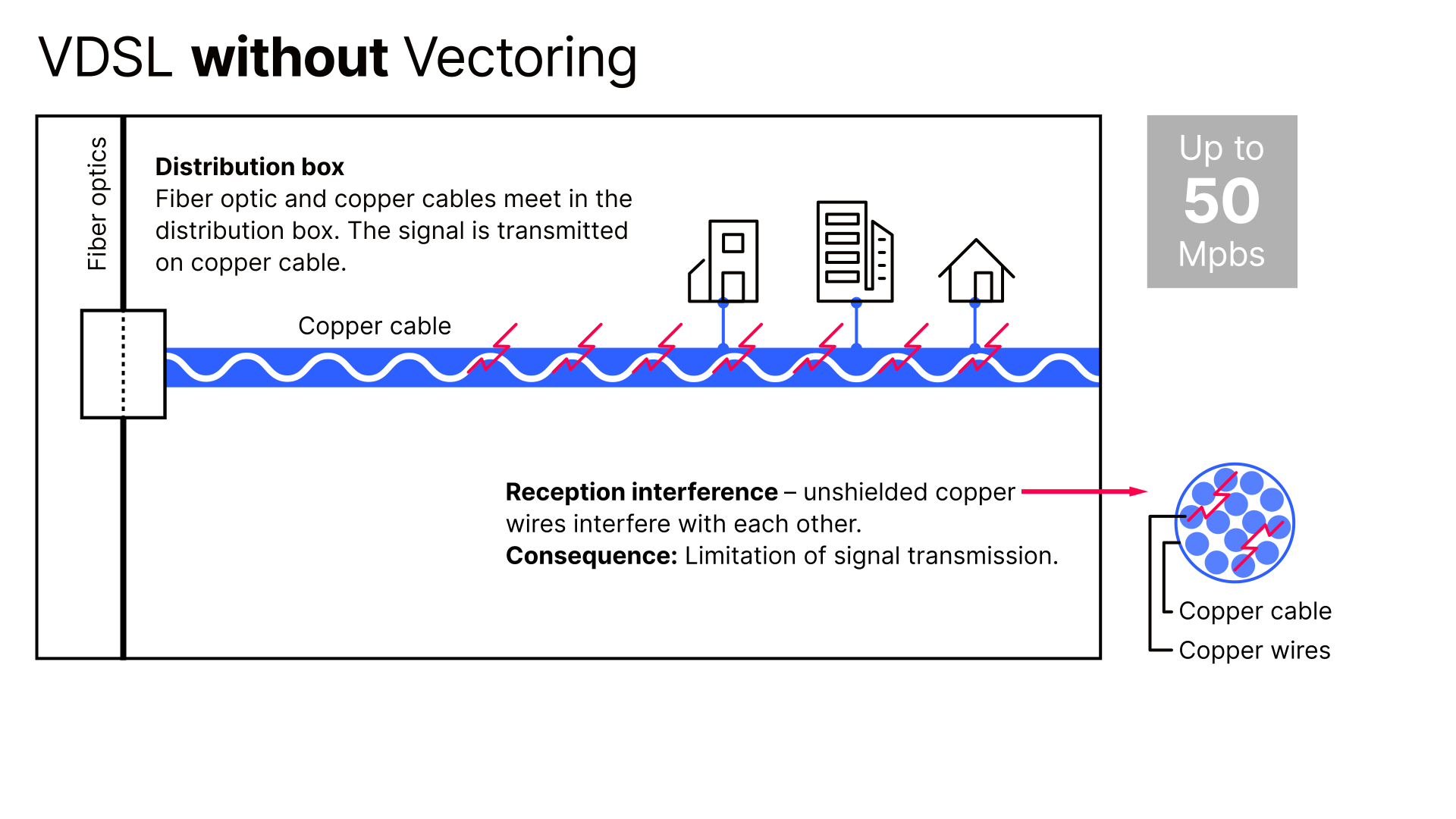
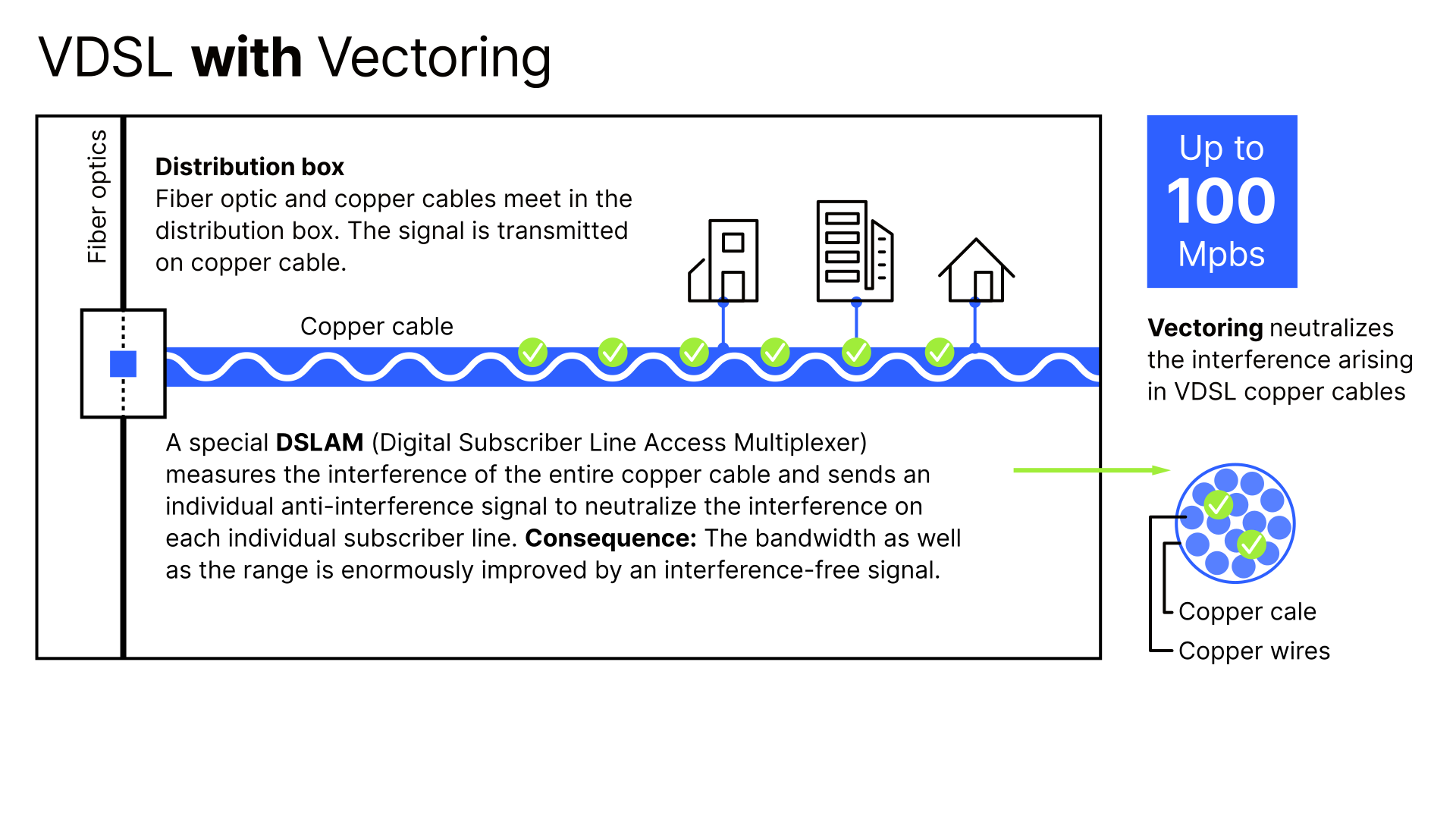
The following figures illustrate the difference between VDSL without Vectoring, VDSL with Vectoring, and VDSL with Supervectoring:
The LANCOM Supervectoring portfolio
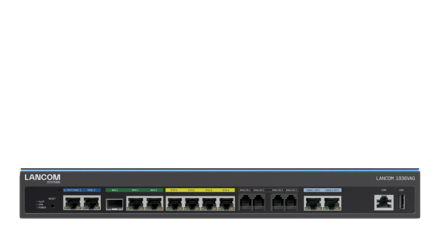
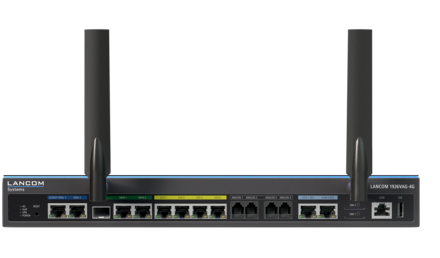
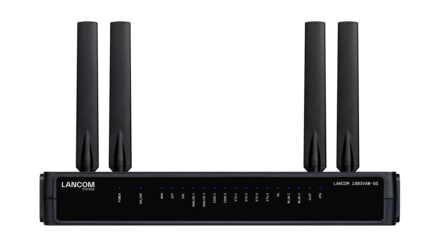
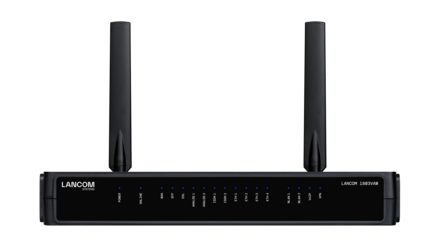
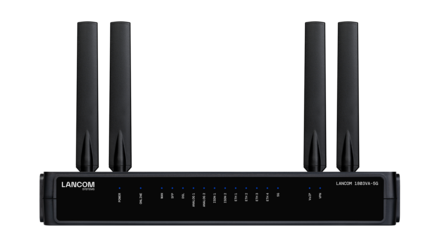
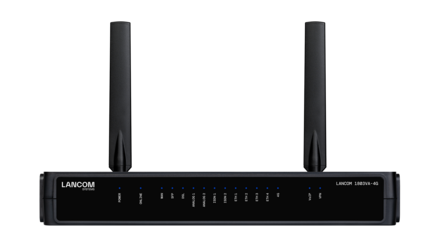
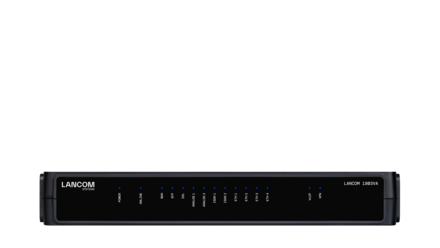
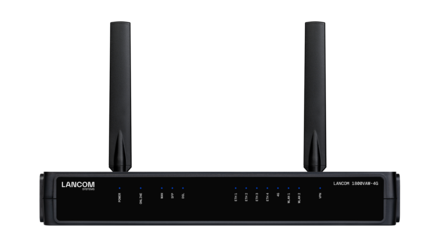
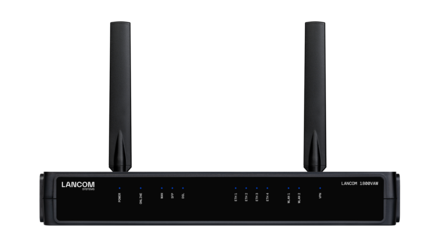
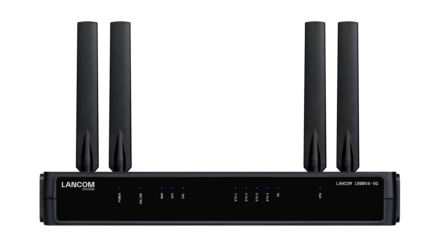
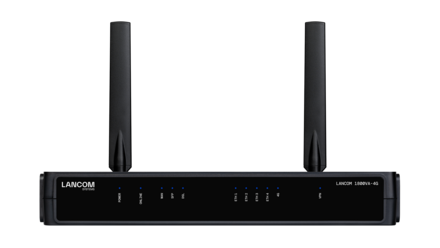
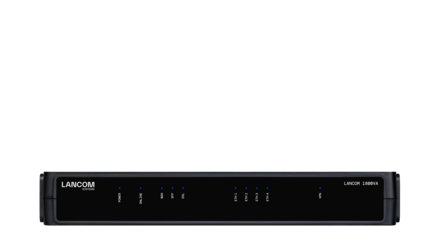
In order to use Supervectoring technology as an end user, in addition to upgrading the distribution boxes, the appropriate router is also required for the respective connection. Supervectoring-enabled LANCOM Secure SD-WAN gateways and VPN routers offer the right model for every network size – including Wi-Fi 6, 4G, or 5G, as well as telephony migration from ISDN to IP-based connections.